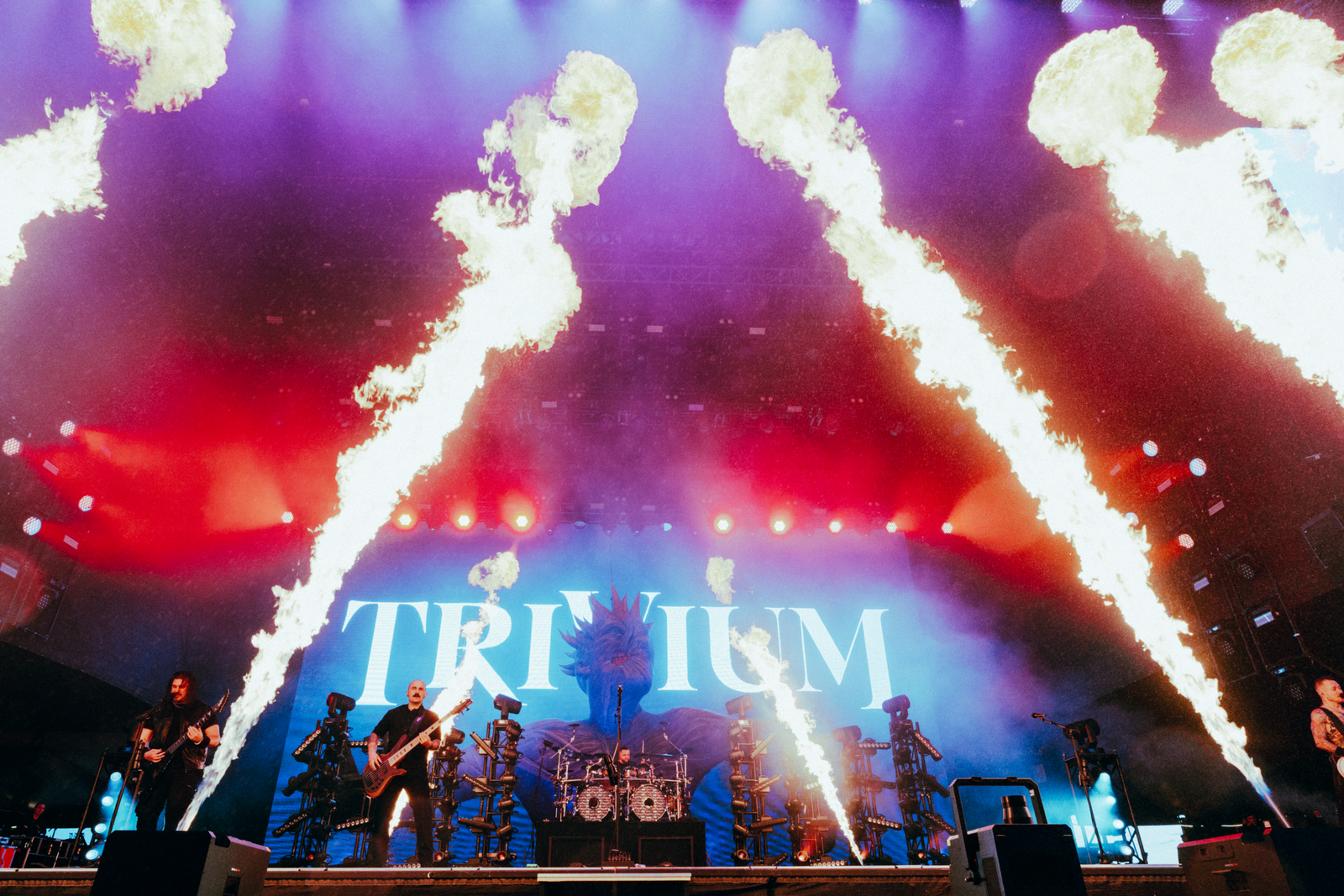
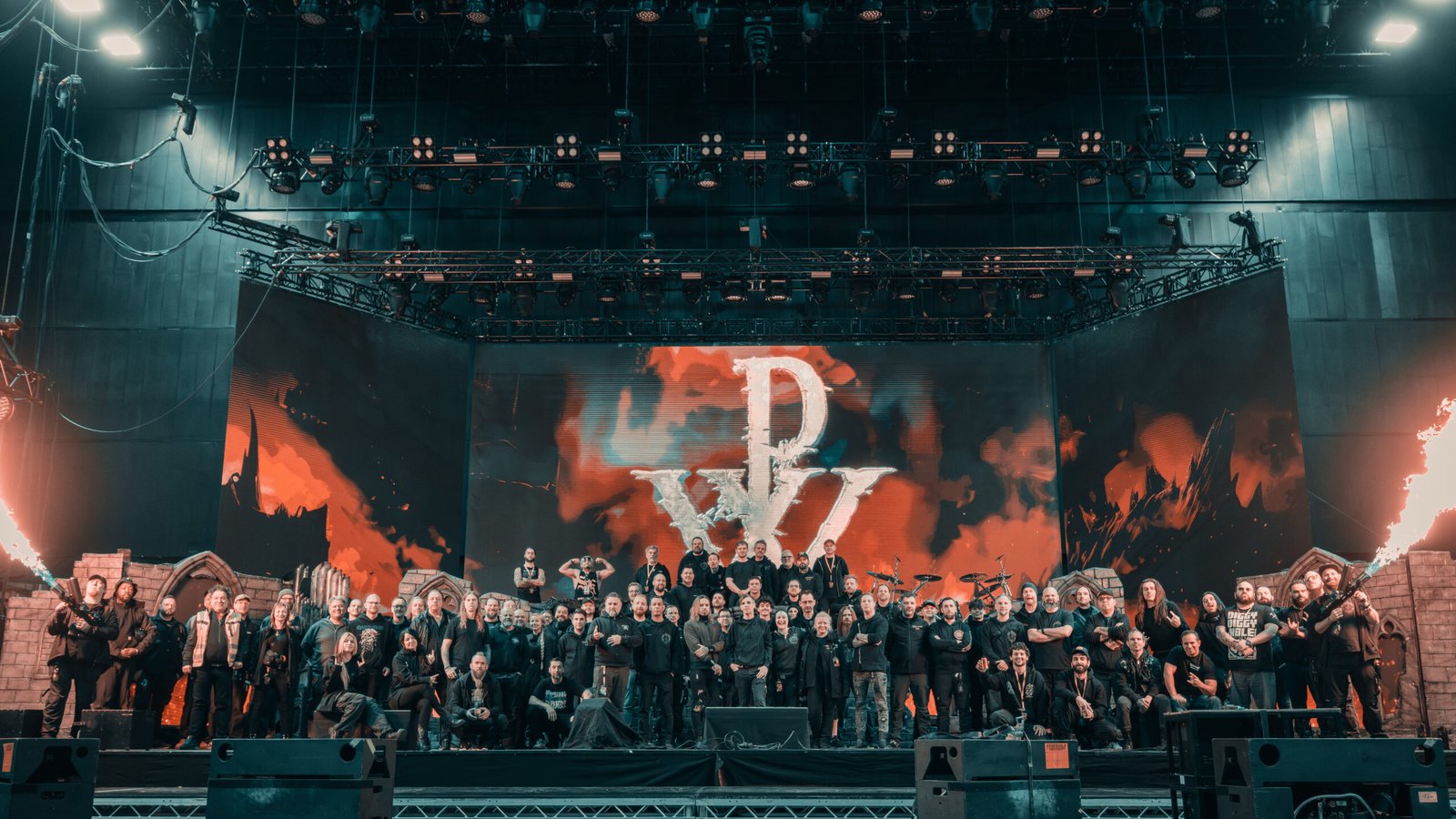
What does it take to fuel the fiery mass of heavy metal’s ultimate high priests? As the Pyrotechnics and SFX operator for Powerwolf’s monumental Summer of the Wicked 2025 festival run, the massive Wake Up the Wicked 2026 arena tour, and the relentless Summer 2026 festival circuit, my job was simple but high-stakes: translate their symphonic power metal into pure, synchronised firepower across sold-out arenas and festival grounds worldwide.
Executing a flawless SFX design for a theatrical powerhouse like Powerwolf requires a symphony of cutting-edge hardware, microsecond timing, and relentless safety protocols. But above all, it takes an absolute powerhouse of a crew to pull it off night after night. Here is a look inside the specialised rig—and the team—that brought the “heavy metal mass” to life.
The Unsung Heroes: An Amazing Crew
Before diving into the hardware, it is impossible to talk about these tours without highlighting the incredible crew behind the scenes. Operating a show of this magnitude is never a solo effort. From the lighting techs and stage hands to the production managers and safety marshals, everyone operated like a finely tuned machine.
During gruelling back-to-back stadium dates and chaotic festival changeovers, the crew’s relentless work ethic, problem-solving skills, and camaraderie were what truly kept the show running safely. When you are dealing with literal tons of highly flammable fuel and explosives, trust is everything—and this crew delivered a masterclass in professional touring production every single day.
The Firepower: Liquid, Gas, and Firestorms
To match the cinematic intensity of tracks like Sinners of the Seven Seas and 1589, the stage setup relied on a diverse fleet of specialised flame systems.
- Explo GX2 & GX3: The backbone of the liquid-gas flame setup. These units provided massive, instantaneous bursts of fire with distinct profiles, giving the stage a truly imposing, hellish backdrop during peak choruses.
- Explo Wave flamers: These moving fluid heads allowed for fluid, sweeping fire choreography. Instead of static bursts, we could arc the flames across the stage in perfect synchronisation with the band’s driving tempos.
- Magic FX Flameblazers: Known for their fast response times and clean liquid fuel burns, these fixtures provided highly reliable, rapid-fire accent pops precisely aligned with the double-bass drumming.
- Magic FX Firestorms: When a standard flame isn’t enough, the Firestorm brings the chaos. These heavy-duty units created massive, sustained walls of fire and intense thermal energy that the crowd—and the band—could feel from rows back.
- Stage Pyrotechnics: Beyond liquid and gas flames, a curated array of traditional theatrical pyrotechnics (mines, comets, and gerb sparks) punctuated the grand finales and dramatic, theatrical pauses.
The Brains: Control and Synchronisation
Harnessing this amount of thermal energy requires robust, fail-safe control systems. The entire show was anchored by two industry powerhouses:
- Galaxsis Pyro-Control: Celebrated for its uncompromising safety and bulletproof wireless reliability, the Galaxsis system handled the precise firing matrix for the pyro elements, ensuring absolute control over every spark and ignition sequence.
- MA Lighting grandMA3: The entire SFX rig was integrated into the main lighting and show control ecosystem using the grandMA3 console. This allowed for flawless timecode synchronisation, ensuring that every flame, wave, and explosion hit on the exact beat of the music, night after night.
Scaling the Fire: From Arenas to Summer Festivals
Transitioning between enclosed arenas and massive outdoor festival stages is one of the toughest challenges an SFX operator faces. Keeping the momentum alive right after the indoor Wake Up the Wicked 2026 arena tour, we rolled straight into the gruelling Summer 2026 festival circuit.
Outdoor festivals mean battling unpredictable winds, ambient daylight, and sprawling stages. To combat this, the Magic FX Firestorms and Explo GX3s became our absolute MVP weapons. Because liquid fuel flames burn bright and hold their shape better against heavy crosswinds than standard gas effects, we were able to maintain that intimidating, wall-of-fire aesthetic even on the largest European main stages.
Controlling a rig of this scale across vastly different festival stages meant relying heavily on the flexibility of the grandMA3. Together with the crew, we could quickly adapt our patch and safety zones during intense festival changeovers, ensuring that whether Powerwolf was playing a midnight headline slot or a sunset festival set, the crowd still felt the blistering heat of the heavy metal mass. From the chaotic energy of open-air festival mainstages to the precise spatial limitations of enclosed, sold-out arenas, managing this rig was an unforgettable experience.
If you are a fellow tech or a fan who witnessed the tours, I’d love to hear your thoughts! Let me know:
- Which song’s fire cues stood out to you the most?
- Are you interested in a deeper breakdown of the grandMA3 timecode routing or how the crew managed changeovers?
- Should I share more behind-the-scenes photos of the rig and the team?